Grow Forward Through Change
Grow Forward Through Change
From Overwhelmed to Adaptable: Grow Forward Through Change
When I was little, I loved going to the carnival. My favorite ride was the Scrambler.
I loved the adrenaline rush of flying through the air—although I wasn’t crazy about feeling like I might throw up the whole time.
That’s kind of what life feels like lately. We’re spinning fast, time is flying, and we’re all just trying to hold on without losing our lunch.
Our brains weren’t designed for rapid change, constant uncertainty, and the overwhelming input, stimulation, and information overload we’re bombarded with each day.
It’s no wonder so many are struggling with burnout, anxiety, and overwhelm.
But here’s the good news: adaptability is a skill—and skills can be learned. The more you practice it, the better you get.
What is Adaptability?
Adaptability is your ability to adjust your thoughts, emotions, and behaviors when circumstances change—without losing sight of who you are or what matters most.
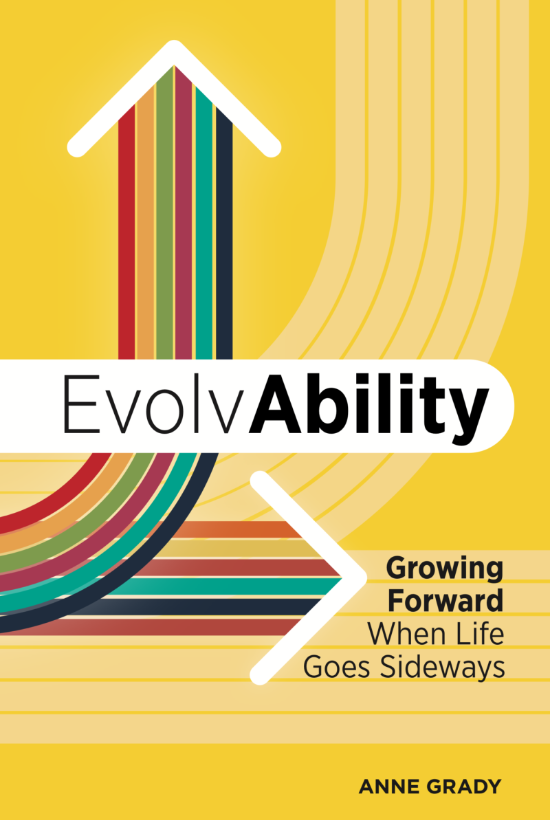
In EvolvAbility, I describe it as the intersection of resilience and evolution.
It’s not just about bouncing back—it’s about growing forward.
Adaptable people don’t have fewer challenges. They just recover faster. They understand that while we can’t always control our circumstances, we can control how we respond to them.
Why It Matters Now More Than Ever
Harvard research found that adaptability is one of the strongest predictors of leadership success in uncertain environments. And according to the World Economic Forum, it’s among the most critical skills for the future of work.
We’re living in an era of nonstop disruption—technology shifts, economic swings, hybrid workplaces, global uncertainty.
The leaders and teams who thrive aren’t the strongest or the smartest—they’re the most adaptable.
How To Build Adaptability
Building adaptability doesn’t mean “go with the flow.” It means learning to bend without breaking—to build flexibility into your mindset, routines, and reactions.
Here are three ways to start:
1. Practice Cognitive Flexibility
Your brain loves patterns—it saves energy. But when those patterns stop serving you, it’s time to question them.
Ask yourself: “What else could be true?”
That one question helps you challenge assumptions, reframe challenges, and open new possibilities.
2. Focus on What You Can Control
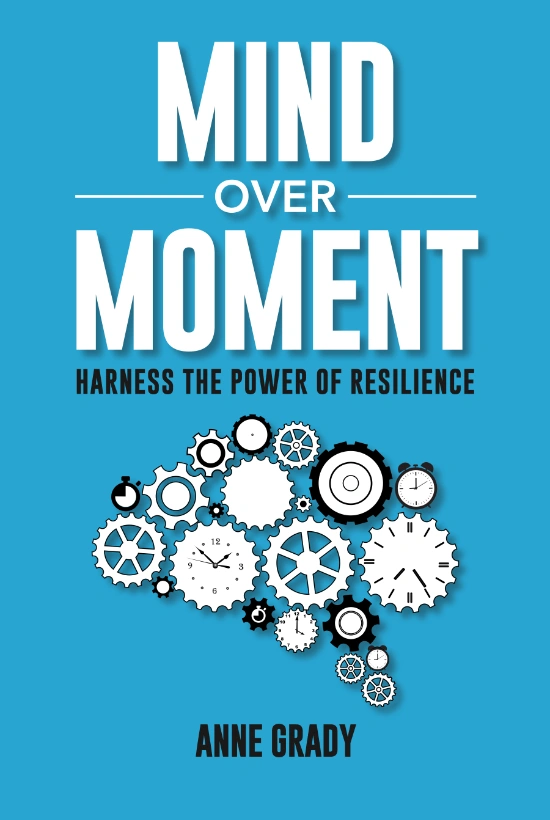
So much energy gets wasted fighting what we can’t change. In Mind Over Moment, I call this “shifting from reaction to intention.”
When you focus on what’s within your control—your mindset, effort, and attention—you reclaim your power.
3. Build Emotional Agility
Adaptability isn’t pretending everything’s fine. It’s learning to sit with discomfort without letting it take the wheel.
Feel it. Name it. Frame it. Then choose how you want to move forward.

Pause & Ponder
Where in your life are you resisting change that could actually help you grow?
Adaptability isn’t a soft skill—it’s a survival skill. And every challenge, detour, and unexpected twist is an opportunity to strengthen it.
Because life will go sideways—but with EvolvAbility, you can grow forward because of it.
SIGN UP FOR ANNE'S WEEKLY RESILIENCE RESET NEWSLETTER!
MORE RECENT BLOG POSTS


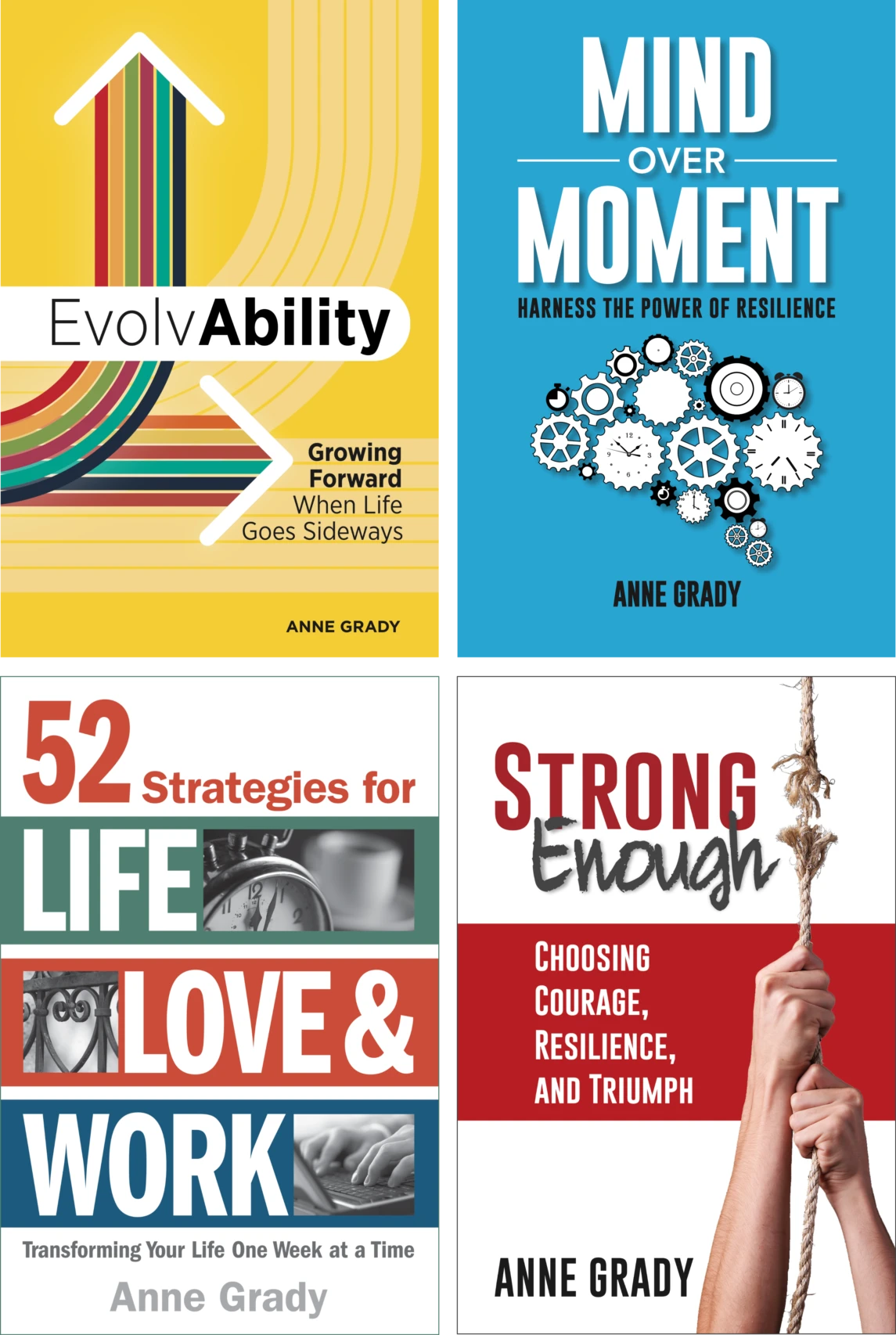
ANNE’S BOOKS